Skip to content
scott flanagan landscape scott flanagan landscape

call or text: 708-460-5884

  • Home
  • Services
    • Landscape Design
    • Front Yard Makeovers
    • Privacy Plantings
    • Brick Paver Patios
    • Brick Paver Driveways
    • Concrete Flatwork
    • Custom Poolscapes
    • Drain Tile Installation
    • perennial-gardening
    • parkway-tree-program
  • Portfolio
    • Favorite Projects
    • Planting Projects
    • Paver projects
    • Poolscape Projects
    • Full Portfolio Photos
    • Videos
  • Testimonials
  • Resources
    • 1st Appointment FAQ
    • Project Minimums
    • Roots and Shoots
    • Watering Guide
    • New Sod Maintenance
    • Career Opportunities
  • Contact
scott flanagan landscape

call or text: 708-460-5884

perennial-gardening

Professional Garden Maintenance & Horticultural Care

A professionally designed landscape isn’t something you install once and forget. It’s a living ecosystem that changes every season and becomes more beautiful when it’s cared for correctly. For landscapes we’ve designed & installed, Scott Flanagan Landscape offers ongoing professional garden maintenance and horticultural care to help that vision continue maturing long after the installation is complete. 

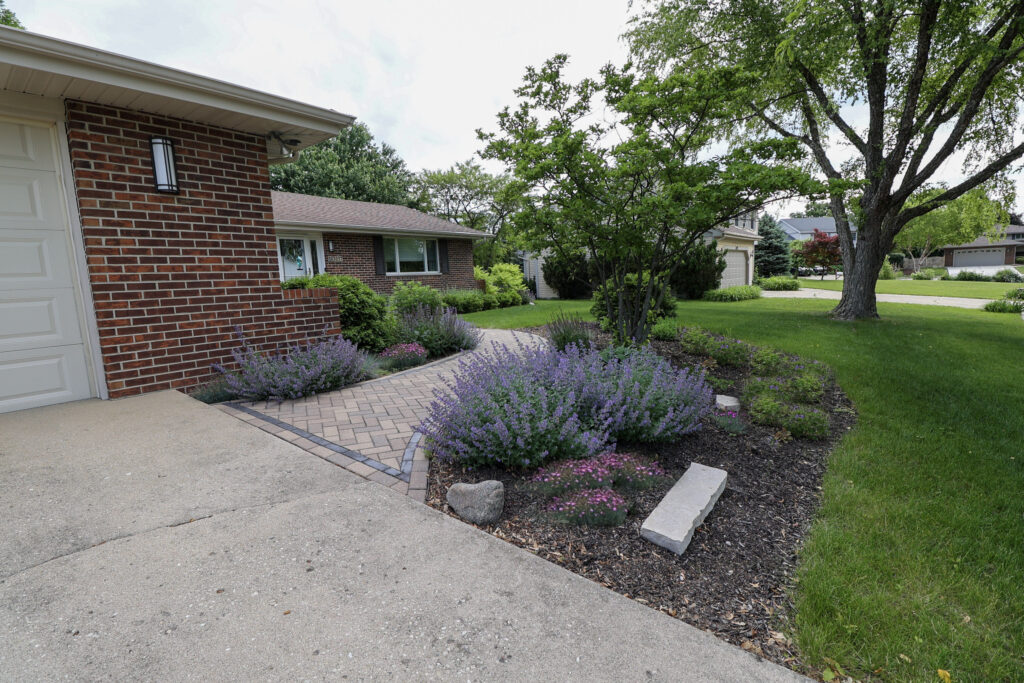
Year round landscape spring
Spring Perennials
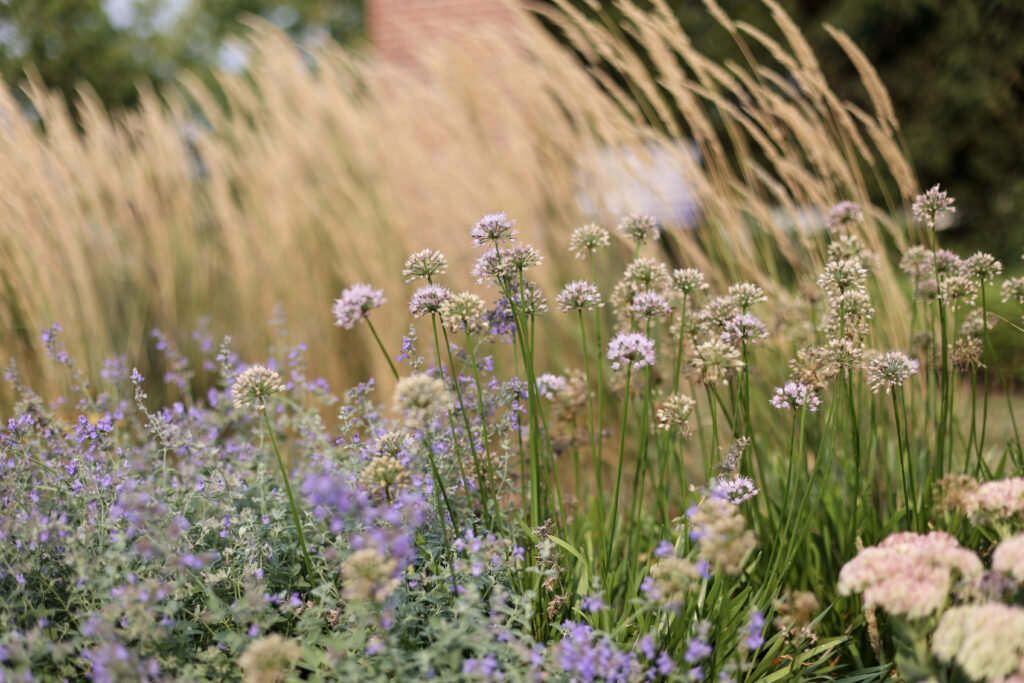
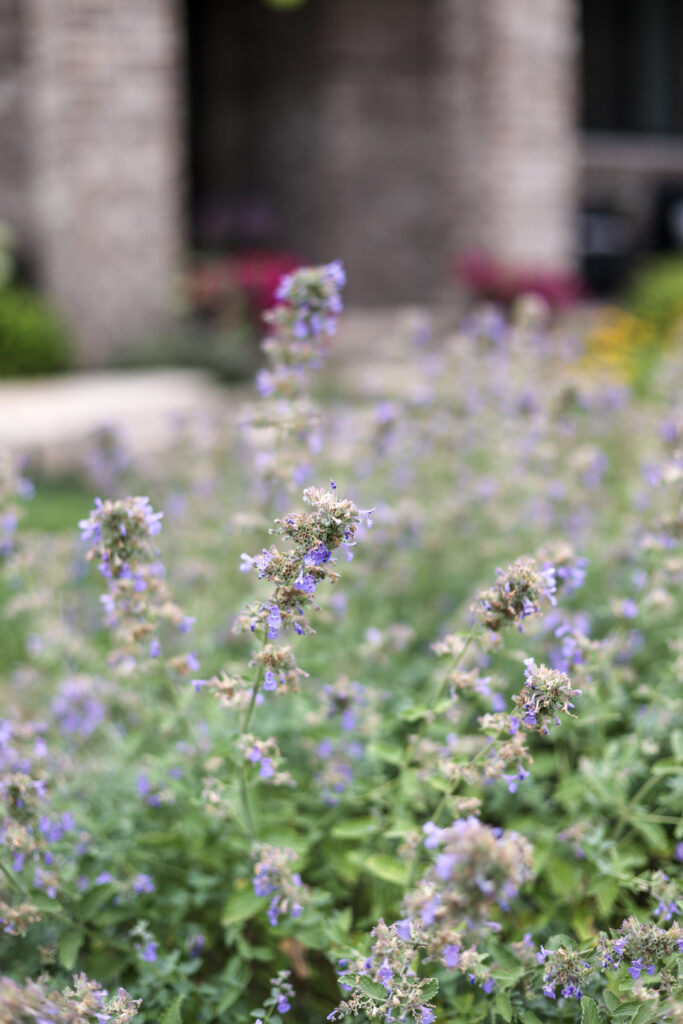
nepeta
Summer
carl forester grass
Fall

The Final Layer That Completes a Landscape.

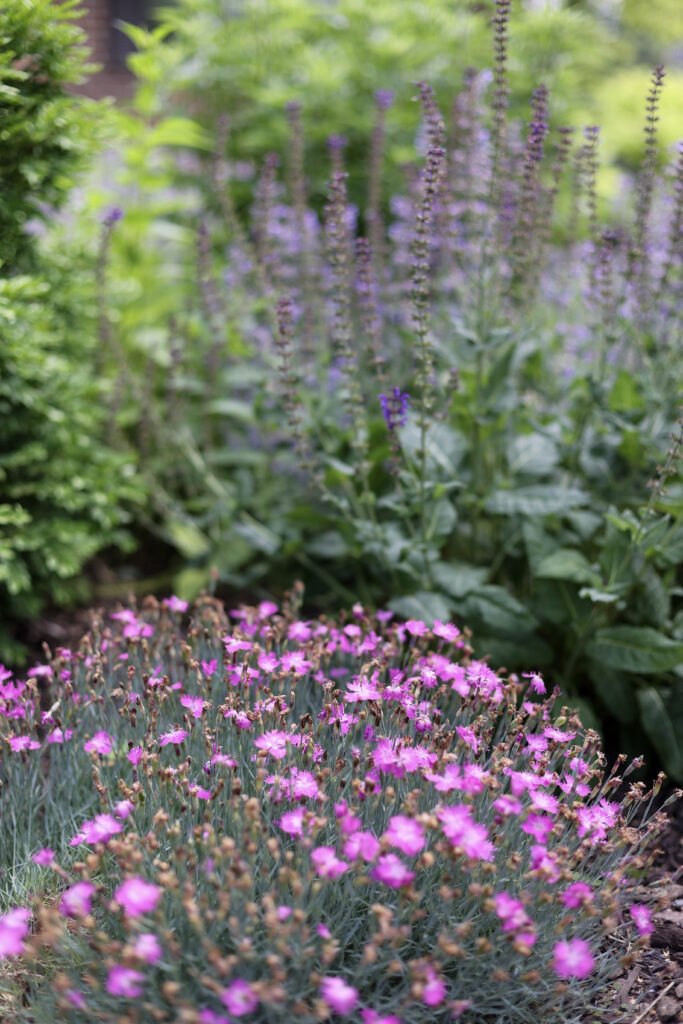
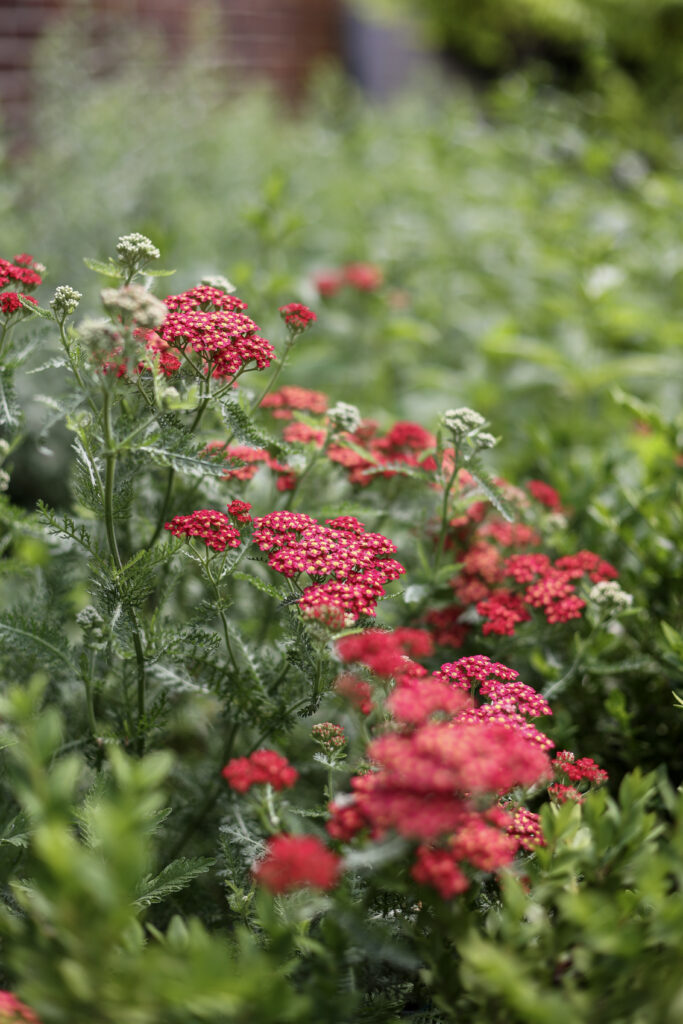
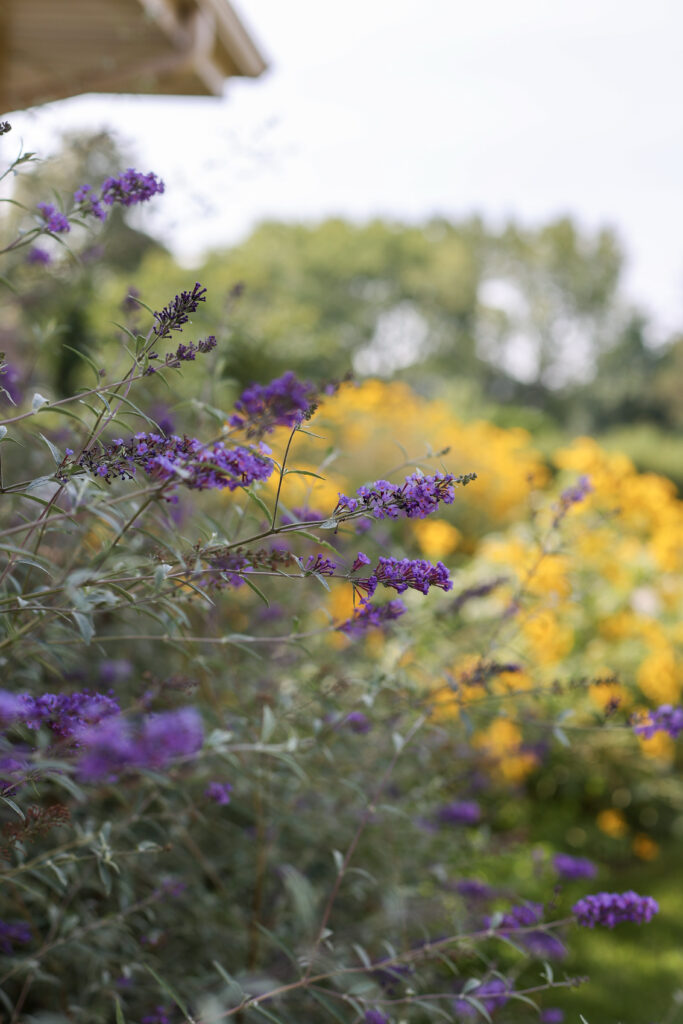
Every great landscape begins with structure. Trees form the canopy, shrubs create the understory, but it’s the ground plane: perennials, ornamental grasses, and groundcovers; that transforms a beautiful landscape into a living ecosystem. This is the layer you’ll experience every time you walk through your garden, where changing blooms, butterflies, birds, and seasonal color create a landscape that’s always evolving. 

Spring Perennial planting
Spring
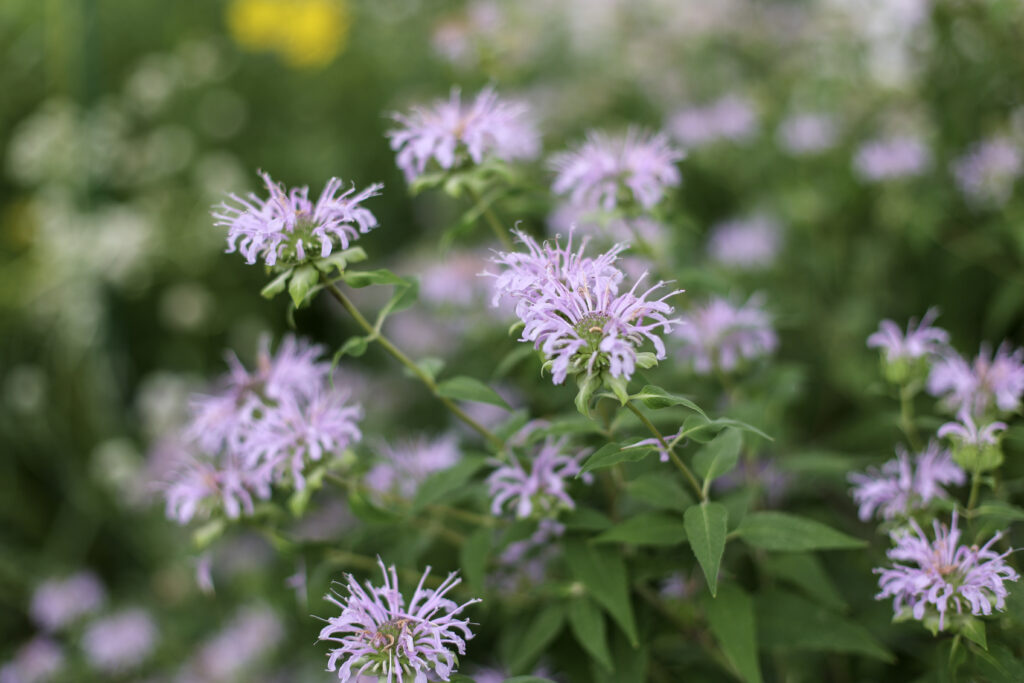
bee balm
Summer
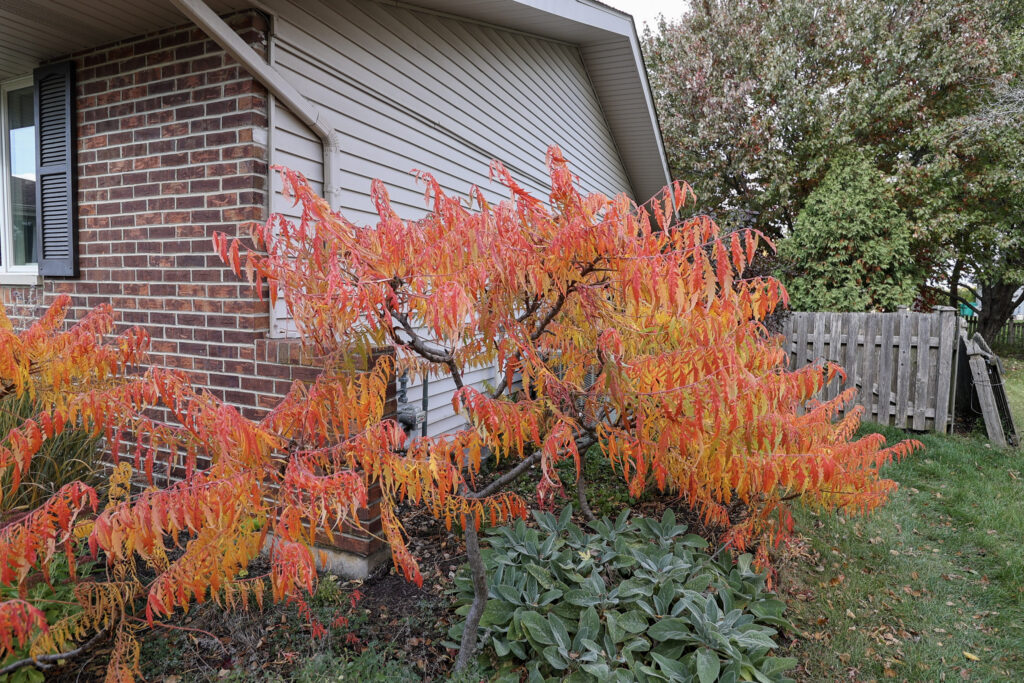
sumac
Fall

Why Perennial Gardens Never Stop Changing

Unlike annual flowers that bloom for a single season, a thoughtfully designed collection of perennials return year after year, becoming more beautiful as the garden matures. Each species flowers at a different time, allowing one bloom to fade just as another begins. Spring gives way to summer, summer transitions into fall, and even winter can offer beauty through ornamental grasses, seed heads, bark texture, and evergreen foliage.

A diverse perennial garden creates an outdoor environment that’s constantly changing. Honey bees move from flower to flower collecting pollen. Butterflies arrive with each new bloom cycle. Songbirds forage among the seed heads and branches long after the flowers have faded. Every week offers something new to discover, making your landscape a place to slow down, observe, and reconnect with nature.

That’s what makes perennial gardens so special. They aren’t static displays. They’re living ecosystems that continue to evolve, surprise, and reward those who spend time enjoying them.

spring perenials
Spring
Summer
fall perennials
Fall

Gardening Means Different Things to Different People

For some homeowners, gardening is a passion. They enjoy learning about new varieties, watching plants mature, and spending quiet evenings caring for their landscape.

Others simply want to come home to a beautiful garden without spending their weekends maintaining it. Neither approach is right or wrong; our Perennial Gardening Program is designed for both.

Whether gardening is your passion or you’d rather leave it to us, our goal is to become your landscape’s horticultural steward. We perform the specialized work your garden needs while continually evaluating how it’s evolving. After each visit, we share what was completed, what plants are thriving, what areas deserve attention, and the plan for future visits so you always understand how your landscape is being cultivated.

First steps: It All Starts With Great Landscape Design

landscape designer in Frankfort Illinois
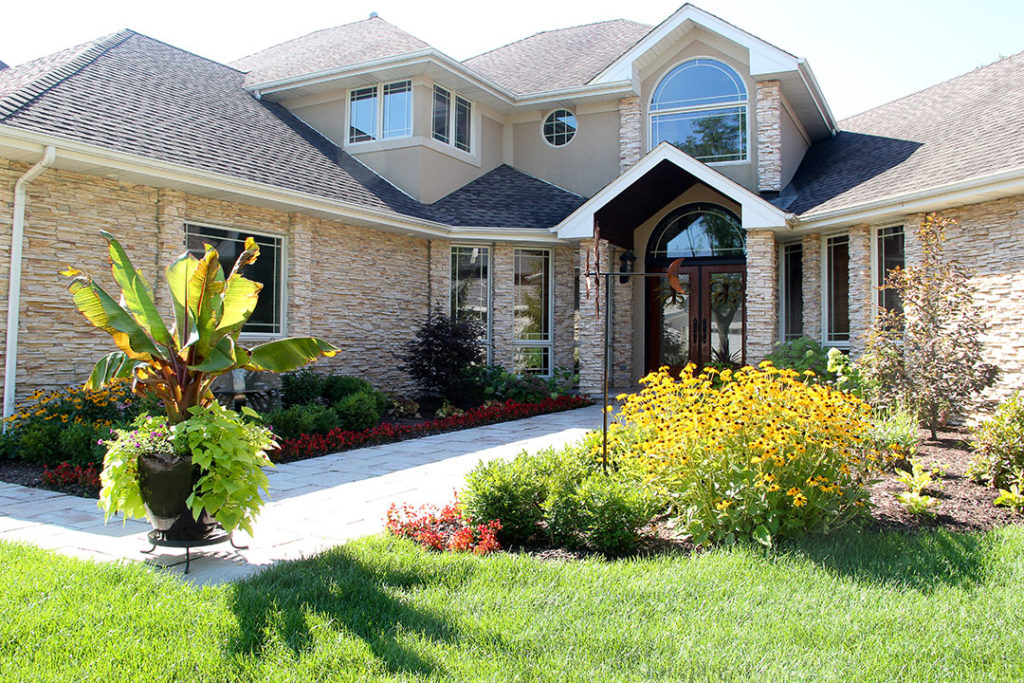
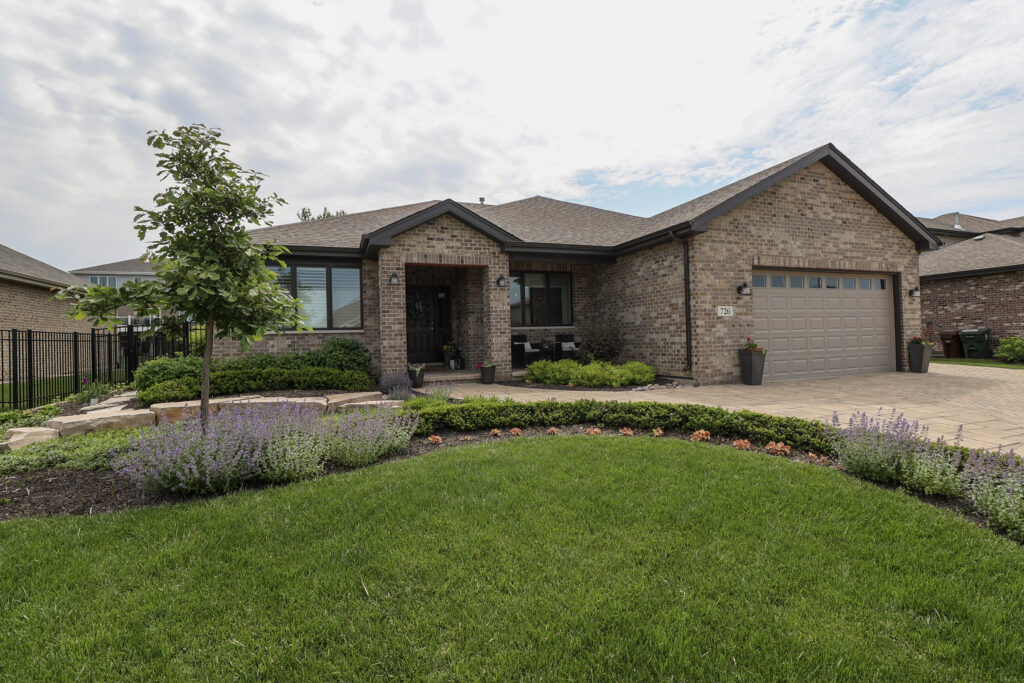
curb appeal in Frankfort Illinois
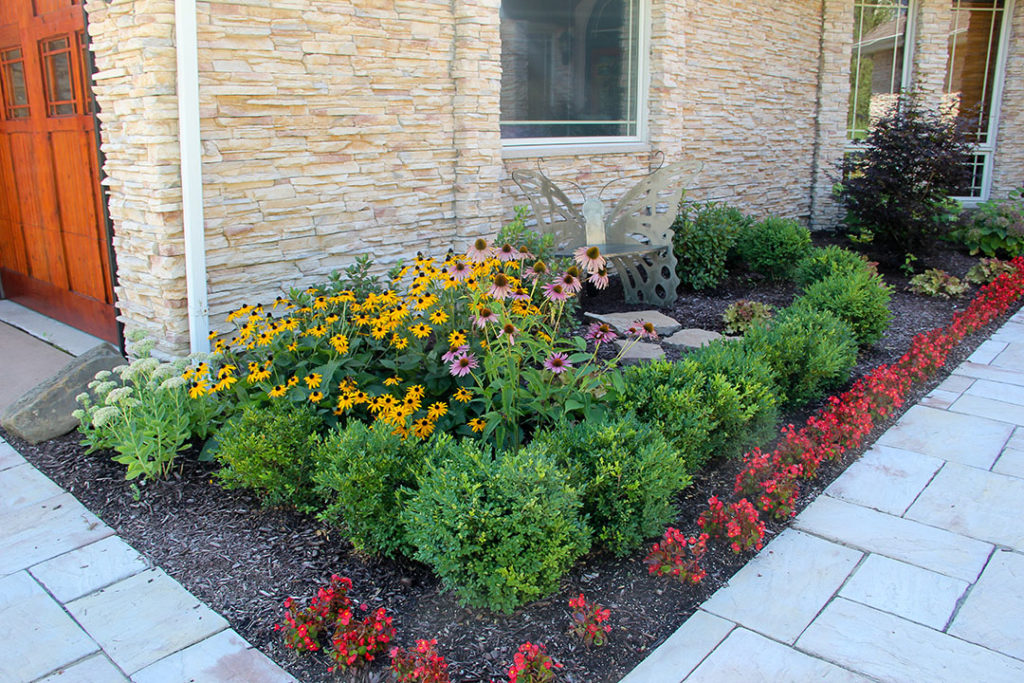
English garden boxwood hedge

Our Perennial Gardening Program isn’t where the process begins; it’s where it continues.

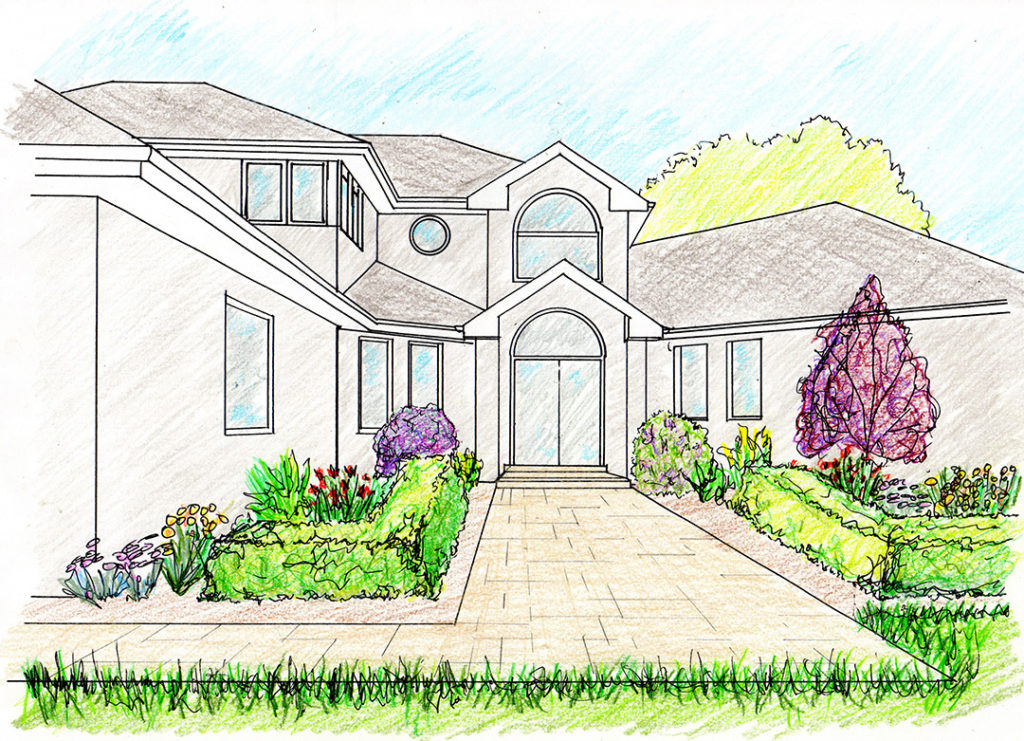
Every long-term horticultural care client starts with a landscape design consultation followed by a landscape installation or renovation project. Together, we develop a clear vision for your property, remove what doesn’t belong, preserve what’s worth keeping, and create a landscape designed to mature beautifully over time.

Only after that foundation is in place do we begin providing ongoing horticultural care.

That’s why we only maintain landscapes we’ve designed or substantially renovated. Our visits aren’t intended to transform a property from scratch; they’re intended to cultivate an already well-designed landscape, helping it become healthier, more diverse, and more beautiful with each passing season.

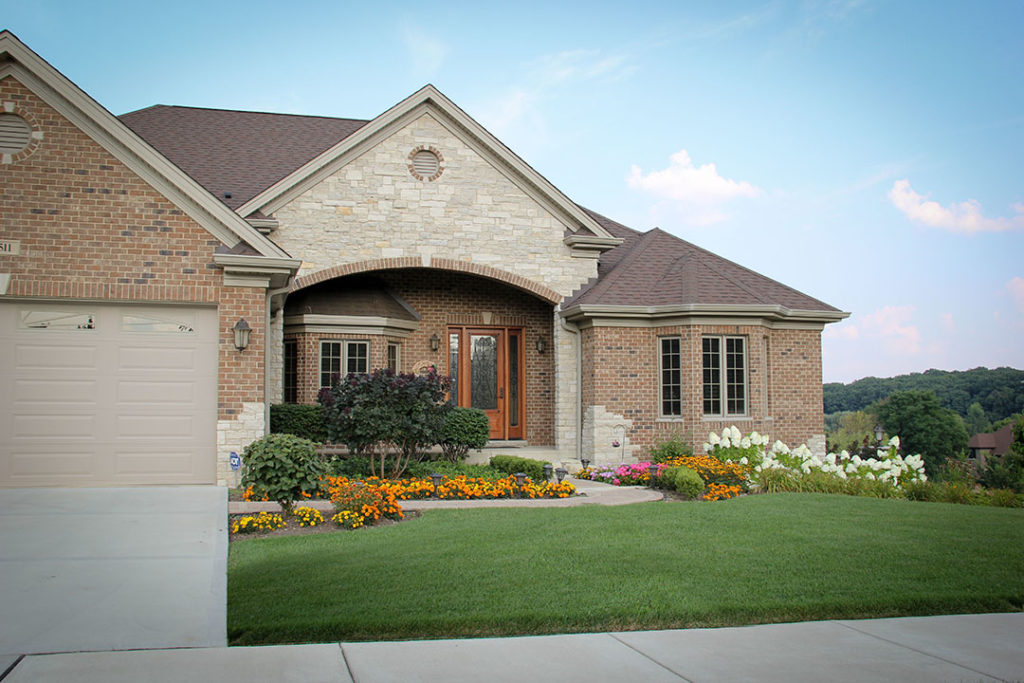
Landscape designer in Lemont
Landscape design company in Lemont
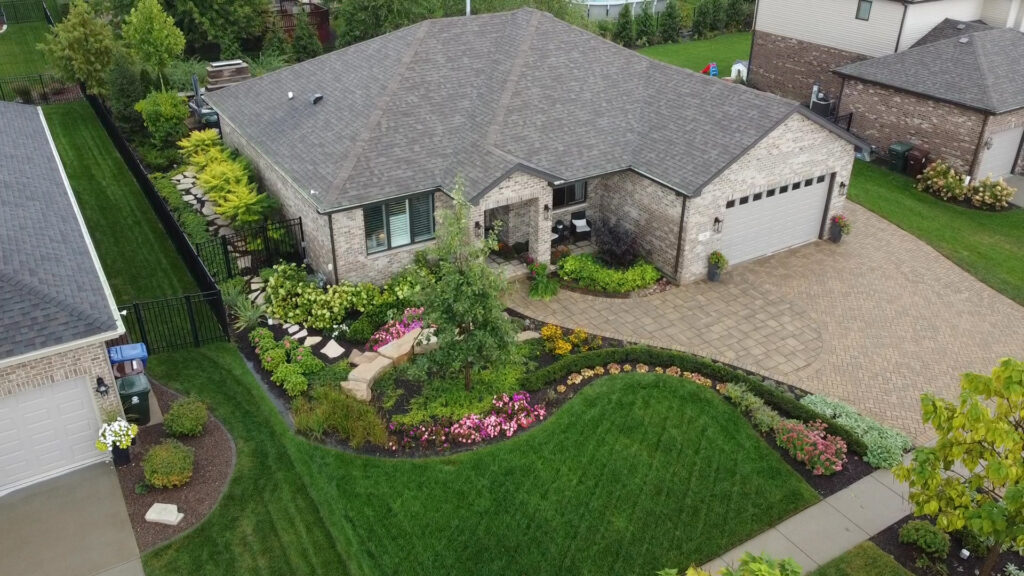
Front yard makeover landscape

Packages & Pricing

Every gardener is different, and our horticultural care programs reflect that. Whether you’d like us to take care of nearly everything or simply provide a bit of expert guidance, seasonal evaluations, and specialized horticultural care, we offer programs that support the way you enjoy your garden. 

Packages:

The Seasonal Partner (4 visits per year)

  • Spring Cleanup & Garden Preparation
  • Early Summer Pruning & Perennial Care
  • Late-Summer Pruning & Garden Evaluation
  • Fall Cleanup & Perennial Care

The Garden Steward (7 visits per year)

  • Spring Cleanup & Garden Preparation
    • 1 visit to hand pull weeds and dead head plants in between seasonal visits
  • Early Summer Pruning & Perennial Care
    • 1 visit to hand pull weeds and dead head plants in between seasonal visits
  • Late-Summer Pruning & Garden Evaluation
    • 1 visit to hand pull weeds and dead head plants in between seasonal visits
  • Fall Cleanup & Perennial Care

The Curator

  • Spring Cleanup & Garden Preparation
    • 4 visit to hand pull weeds and dead head plants in between seasonal visits
  • Early Summer Pruning & Perennial Care
    • 4 visit to hand pull weeds and dead head plants in between seasonal visits
  • Late-Summer Pruning & Garden Evaluation
    • 4 visit to hand pull weeds and dead head plants in between seasonal visits
  • Fall Cleanup & Perennial Care

Pricing

The minimum site visit is $750

Each scheduled visit includes two horticultural specialists for up to three hours and disposal of up to 1.5 cubic yards of landscape debris.

Every visit also includes a landscape audit. We’ll photograph your garden, document the work completed, explain why it was performed, identify plants that are thriving or struggling, and outline recommendations for future visits. Our goal is to help you better understand how your landscape is evolving while continually moving it toward its full potential.

Optional Enhancements (may be added to a site visit, 5 week min notice required)

  • Deep edge of landscape beds (available with Spring Cleanup & Early Summer Pruning)
  • Mulch  (available with Spring Cleanup & Early Summer Pruning)
  • Additional perennial planting (available with Late-Summer Pruning& Fall Cleanup)
  • Bulb planting (available with Fall Cleanup)

Because each visit builds upon the previous one, we do not offer on-demand or last-minute scheduling. Our horticultural care calendar is typically planned at the beginning of the season, and additional visits should be scheduled at least five weeks in advance if available.

The Bigger Picture

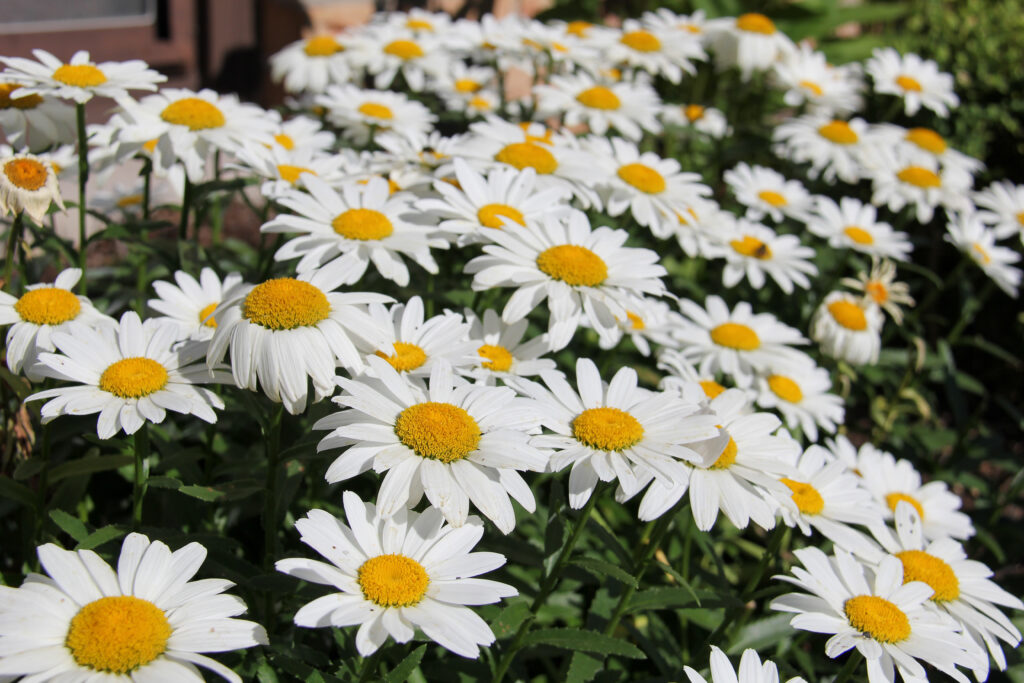
Shasta daisy Becky
Spring
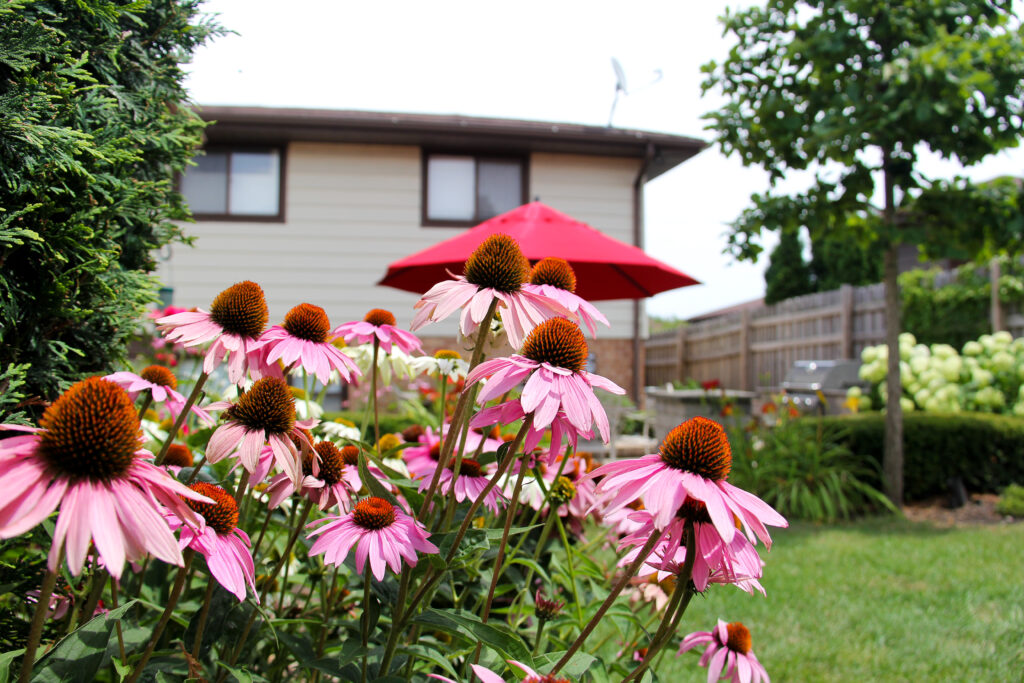
Cone Flower
Summer
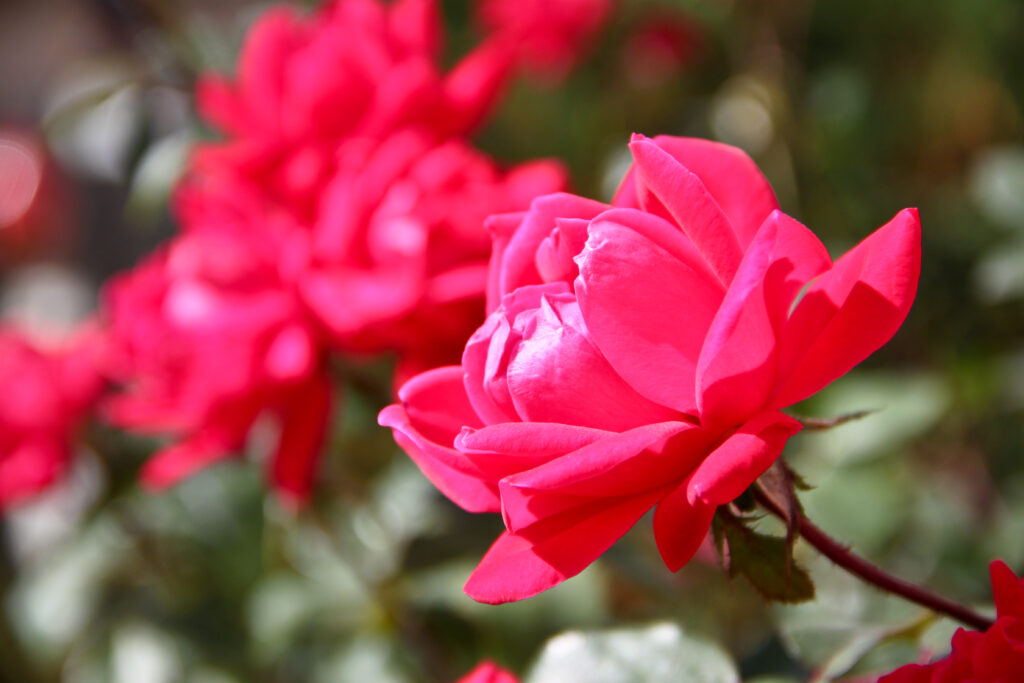
double knockout rose
Fall

At Scott Flanagan Landscape, we believe beautiful landscapes contain far more than the basic green suburban lawn.

A thoughtfully designed landscape should invite you outside. It should change with the seasons, encourage exploration, and create moments that help you slow down and reconnect with nature.

As gardens mature, we often find opportunities to expand planting beds, introduce new perennial varieties, add native plants, and increase the diversity of ornamental grasses and groundcovers. Each small enhancement adds another layer of seasonal color, texture, and interest while creating habitat for honey bees, butterflies, songbirds, and other beneficial wildlife.

Our goal isn’t simply to maintain the landscape you already have. It’s to thoughtfully cultivate one that evolves with nature to become richer, more diverse, and more beautiful with every passing year.

Because the best landscapes aren’t finished when the installation is complete.

They’re living ecosystems that continue to reward the people who spend time enjoying them.

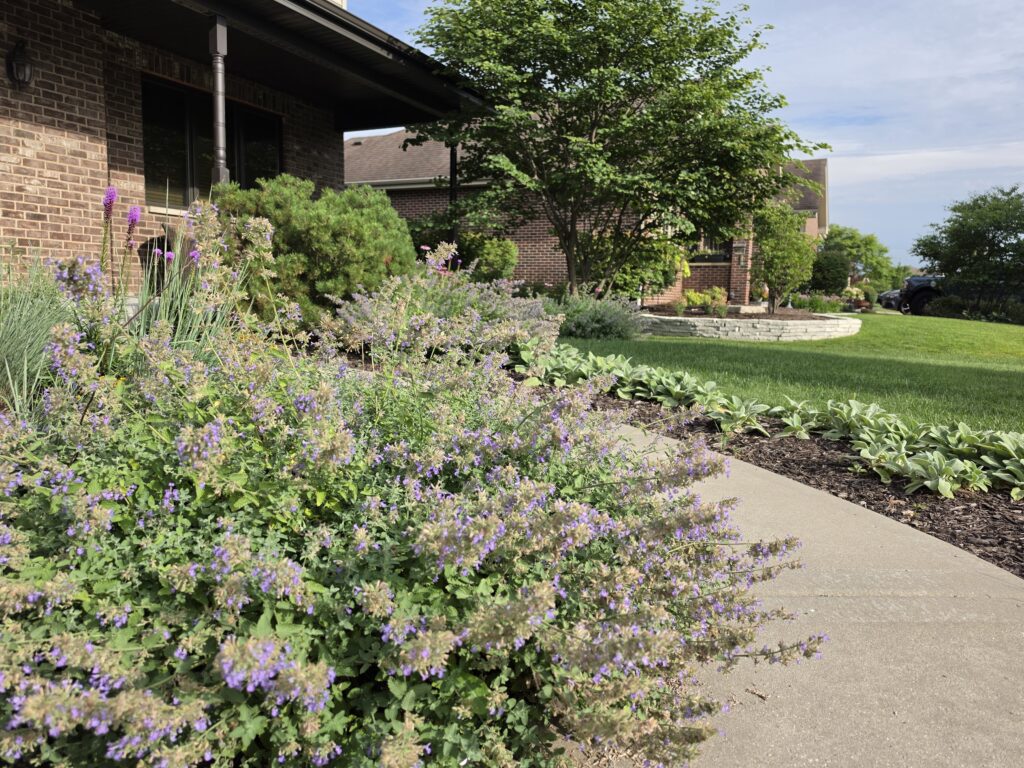
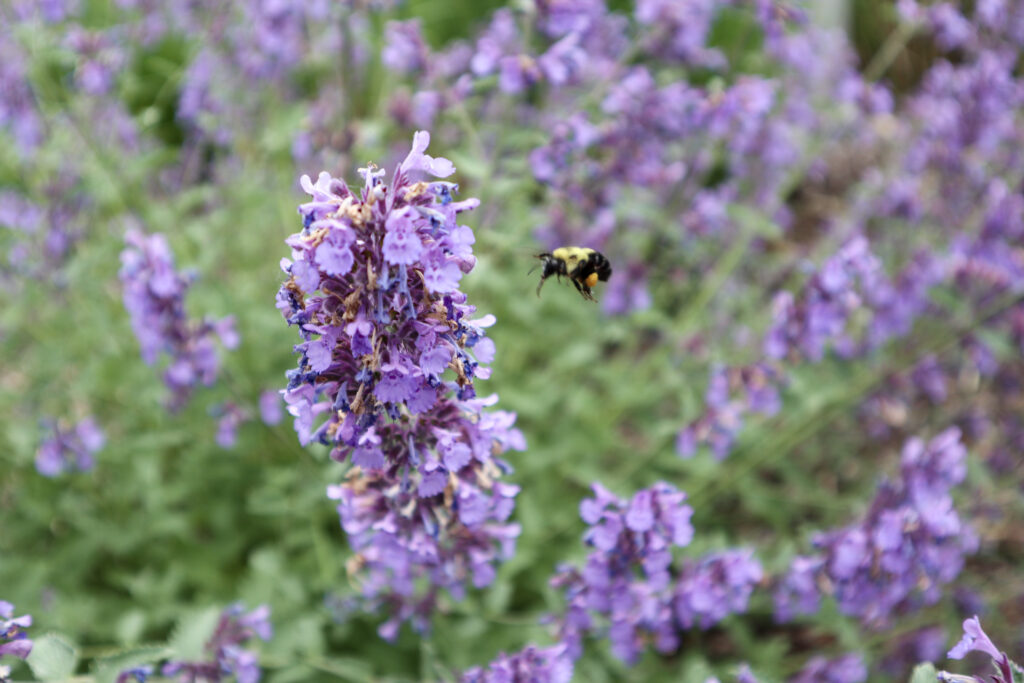
cat mint
Spring
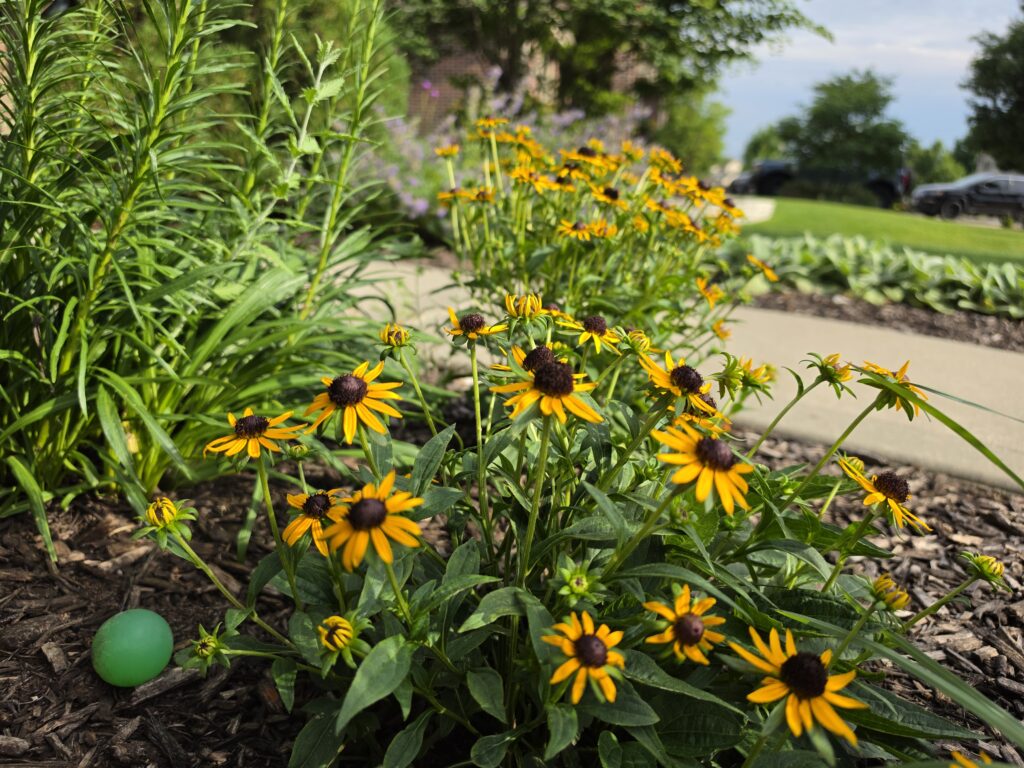
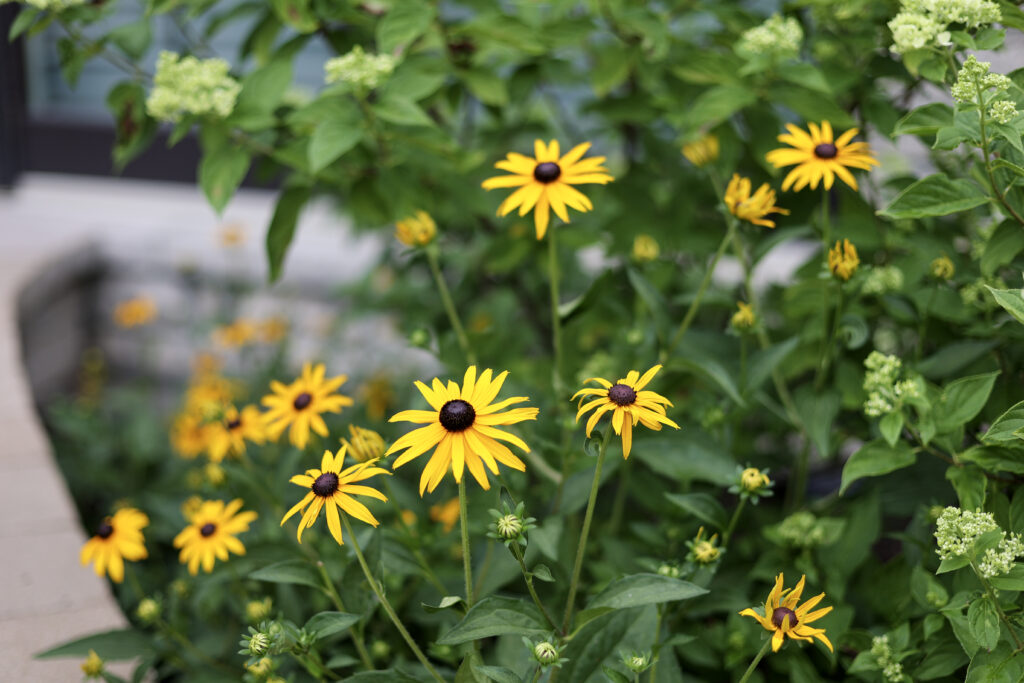
rudbeckia Hurta
Summer
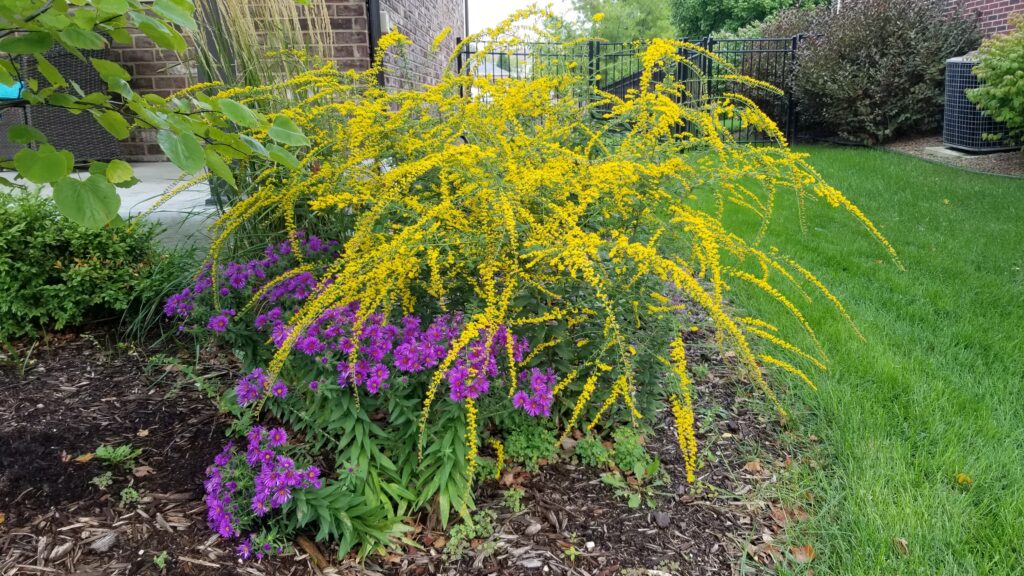
Golden rod and aster
Fall

Learn More About Professional Horticultural Care

Want to understand why professionally maintained landscapes continue becoming more beautiful year after year? The articles below explain the horticultural principles behind our approach.

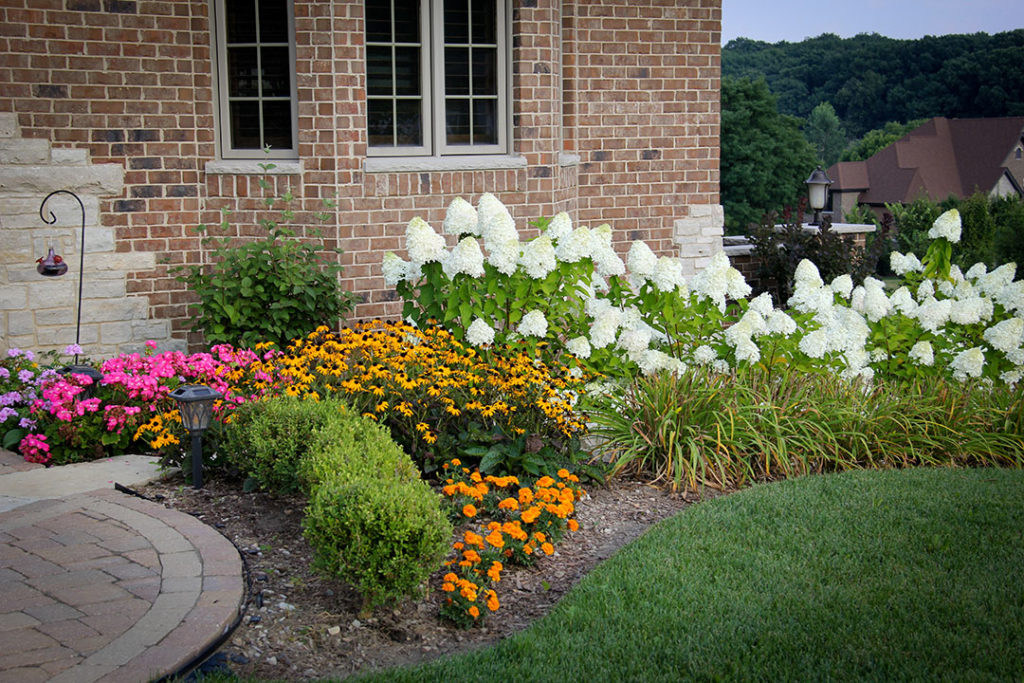
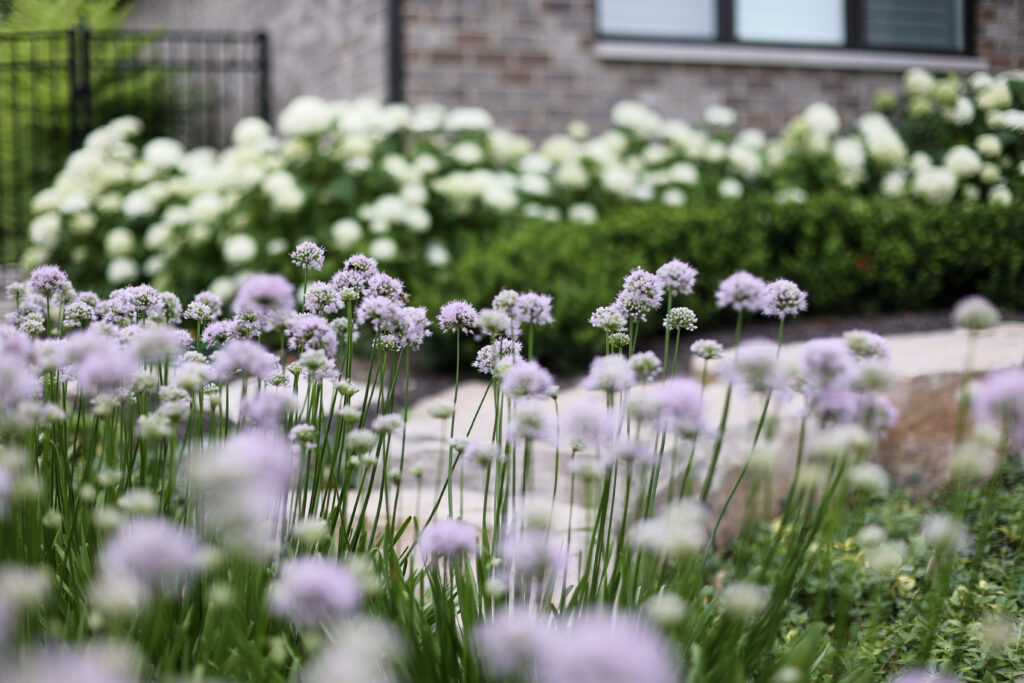
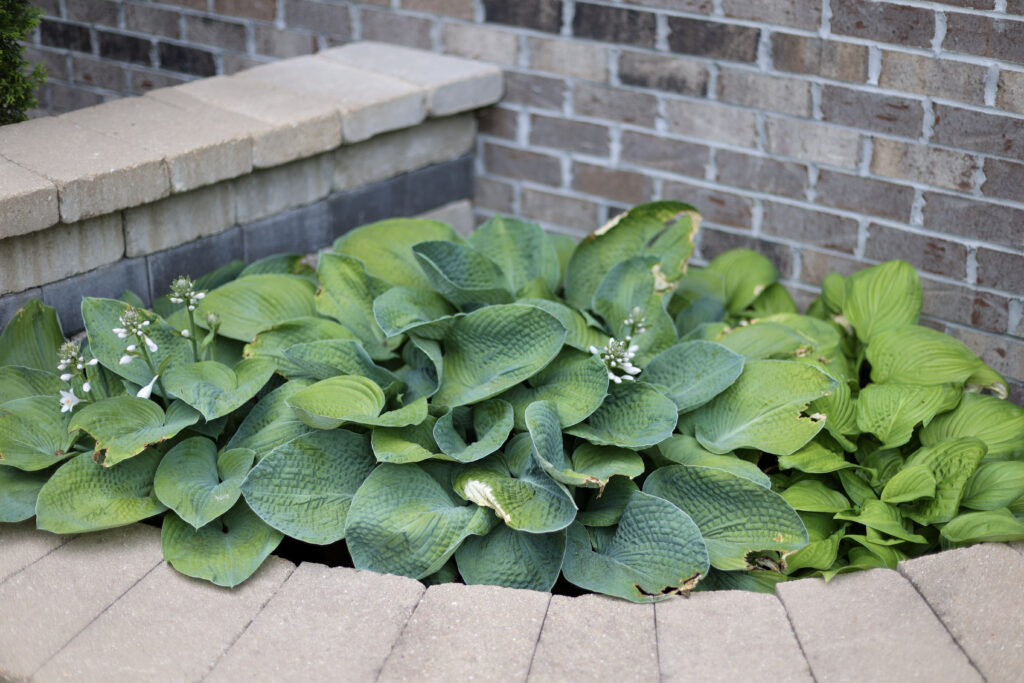
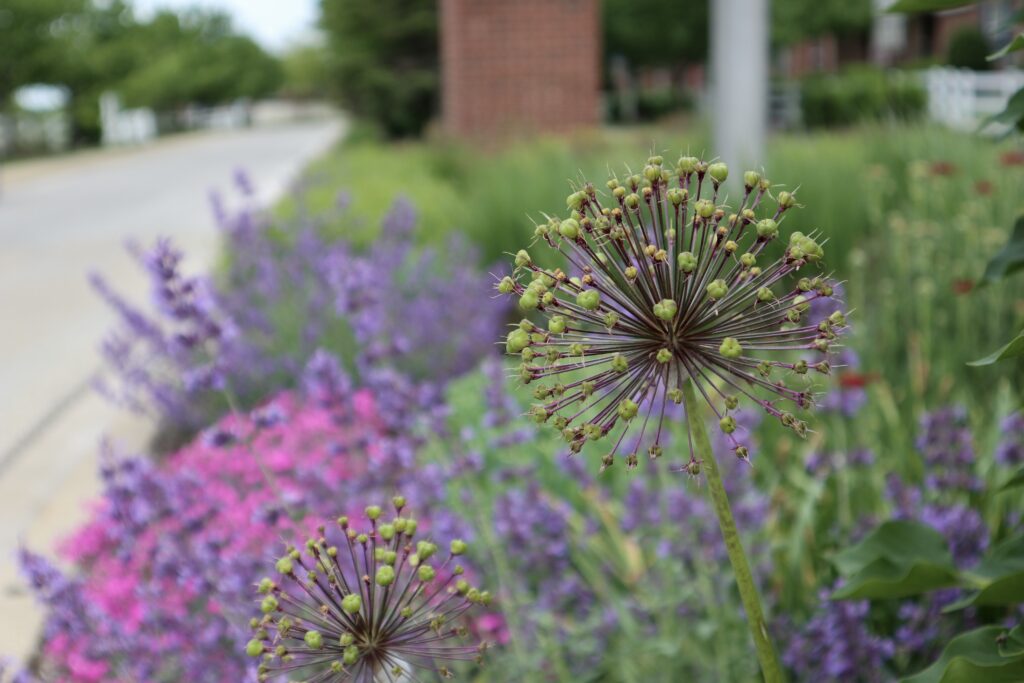
allium and hydrangea

A Beautiful Landscape Isn't Installed. It's Cultivated.

A professionally designed landscape doesn’t reach its full potential on installation day. In fact, most landscapes don’t begin to resemble the original design intent until their third growing season, when trees, shrubs, and perennials have had time to establish, grow together, and naturally fill the space.

Unfortunately, many landscapes never reach that point. Busy homeowners often don’t have the time, knowledge, or horticultural experience needed to properly care for a living landscape. Without thoughtful maintenance, shrubs become overgrown, perennials decline, weeds invade, and the balance, texture, and beauty envisioned in the original design slowly disappear.

Your landscape is alive. Unlike a patio or driveway, it continues to grow, change, and evolve every season.

Our Perennial Gardening Program is designed to guide that growth. Through thoughtful pruning, seasonal maintenance, horticultural expertise, and ongoing observation, we help your landscape mature the way it was originally intended—becoming more beautiful, balanced, and valuable with every passing year.

phased landscape
Phase 1 of landscape installation
landscape installation
After landscape installation
well maintained landscape
After 3 years of landscape maintenance
plant care
cat mint
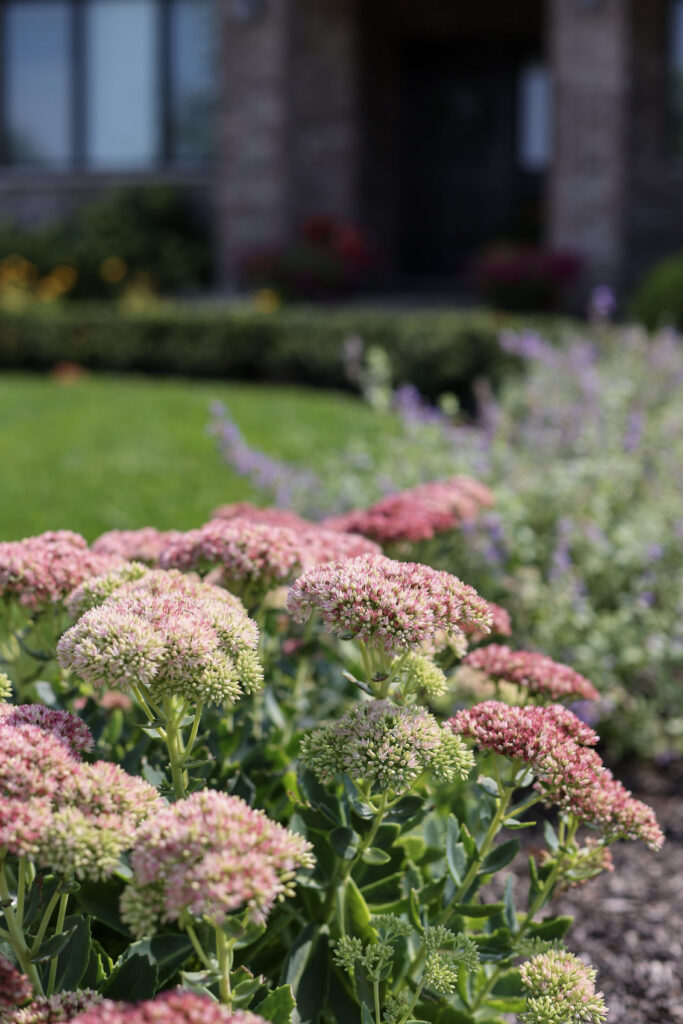
sedum autumn joy

Why Most Landscapes Slowly Lose Their Original Design

A professionally designed landscape is never finished. It continues to grow, mature, and change with every passing season.

Trees become larger and cast more shade. Shrubs grow at different rates depending on sunlight, soil conditions, and available moisture. Perennials spread, some plants naturally outcompete others, and the same perennial may flourish in one area while slowly disappearing in another. Over time, spaces that were once perfectly balanced begin to change. Even the healthiest landscapes evolve in their own way.

Without thoughtful horticultural care, those gradual changes slowly pull a landscape away from its original design intent. Our goal isn’t to fight nature, but to understand it. By observing how your landscape is changing and understanding how you’d like it to look, we can guide its evolution instead of constantly trying to force it in a direction that it is fighting against..

Whether we’re dividing and transplanting perennials in the fall, selectively pruning shrubs, or introducing new plants into an existing garden, our goal is to work with nature, not against it, creating a landscape that harmonizes your preferences with the natural growth and evolution of your garden.

Traditional landscape maintenance often focuses on completing a list of tasks; trim the shrubs, pull the weeds, spread the mulch, and move on to the next property. But a beautifully designed landscape deserves more than routine maintenance performed simply to check another task off the list.

At Scott Flanagan Landscape, we view every visit as an opportunity to evaluate how your landscape is evolving. Rather than simply maintaining individual plants, we cultivate the landscape as a whole. By keeping the original design intent in mind while responding to the way your garden naturally changes, we’re able to restore balance, improve plant health, and make thoughtful horticultural decisions that help your landscape reach its full potential.

Because a great landscape is never finished. It’s cultivated through a partnership with Mother Nature.
Maintenance Isn't About Trimming Shrubs. It's About Preserving Design.

A landscape maintenance visit shouldn’t be measured by how many shrubs were trimmed or how quickly the work was completed. It should be measured by whether your landscape looks healthier, more balanced, and closer to the designer’s original vision when we leave.

Many landscape crews see eighteen individual shrubs. We see a composition.

Our horticultural specialists evaluate how every tree, shrub, ornamental grass, and perennial works together as a complete landscape. They recognize how sunlight has changed as trees mature, which plants are thriving or struggling, and where the balance of the original design is beginning to shift.

That perspective allows us to make thoughtful horticultural decisions about transplanting perennials around the site or trimming one shrub in a group more and others less to restore proportion, improve plant health, and preserve the beauty and intent of the original landscape design.

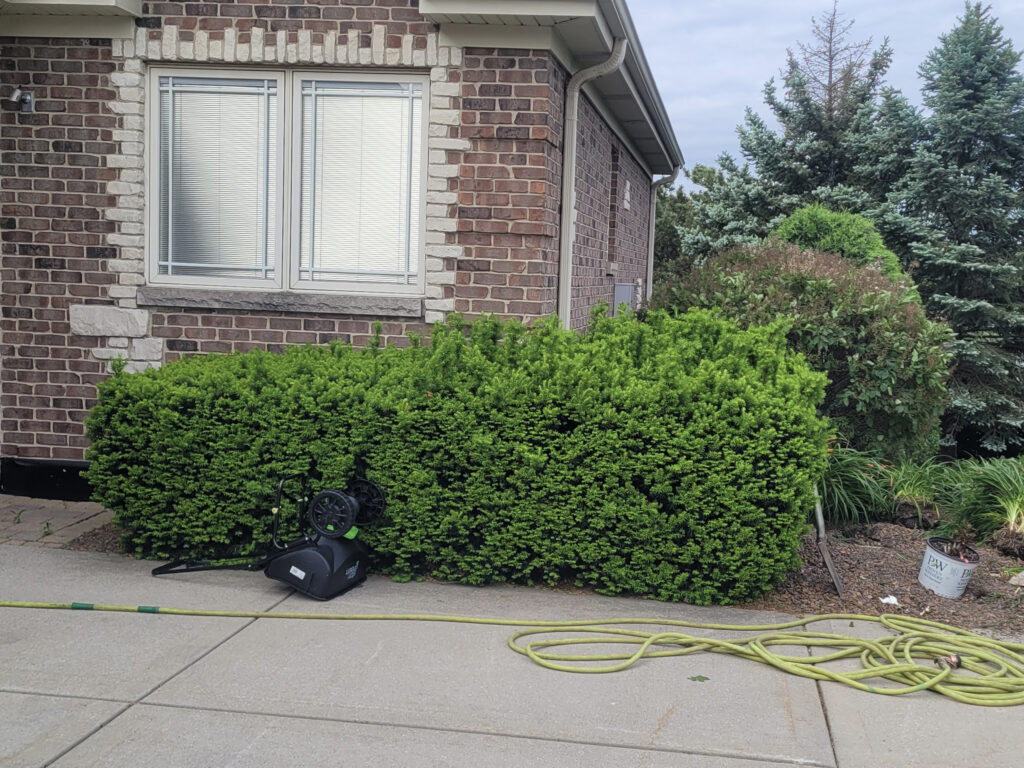
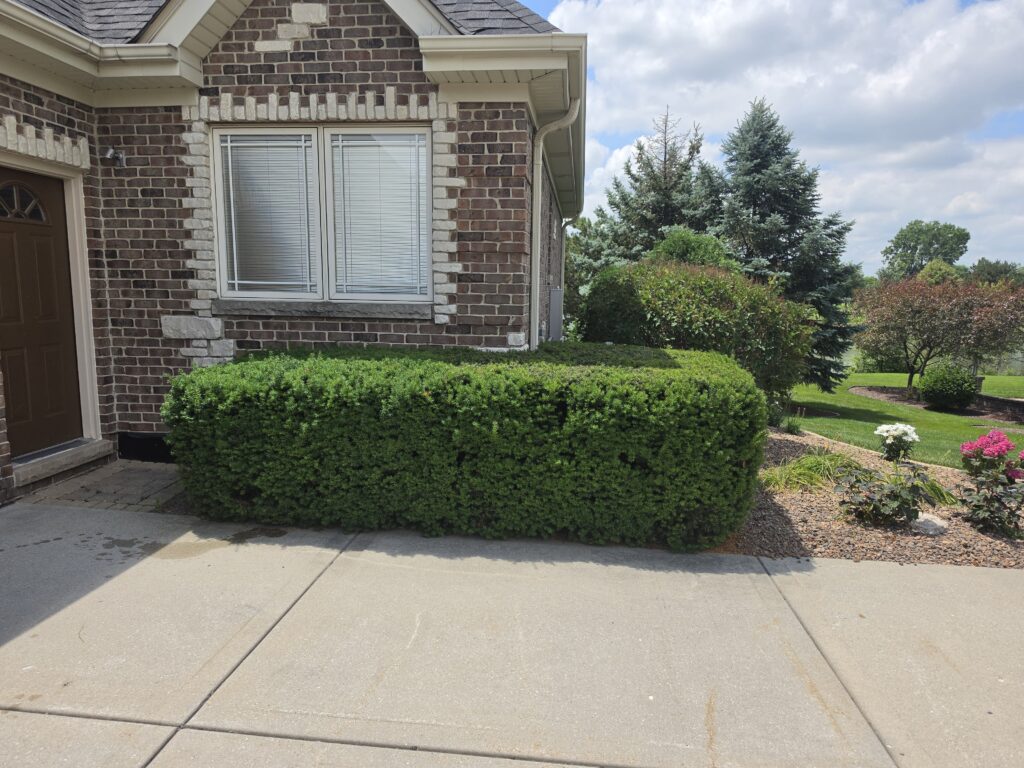
improper pruning.
Bush trimming repair

Why Some Trees and Shrubs Never Flower

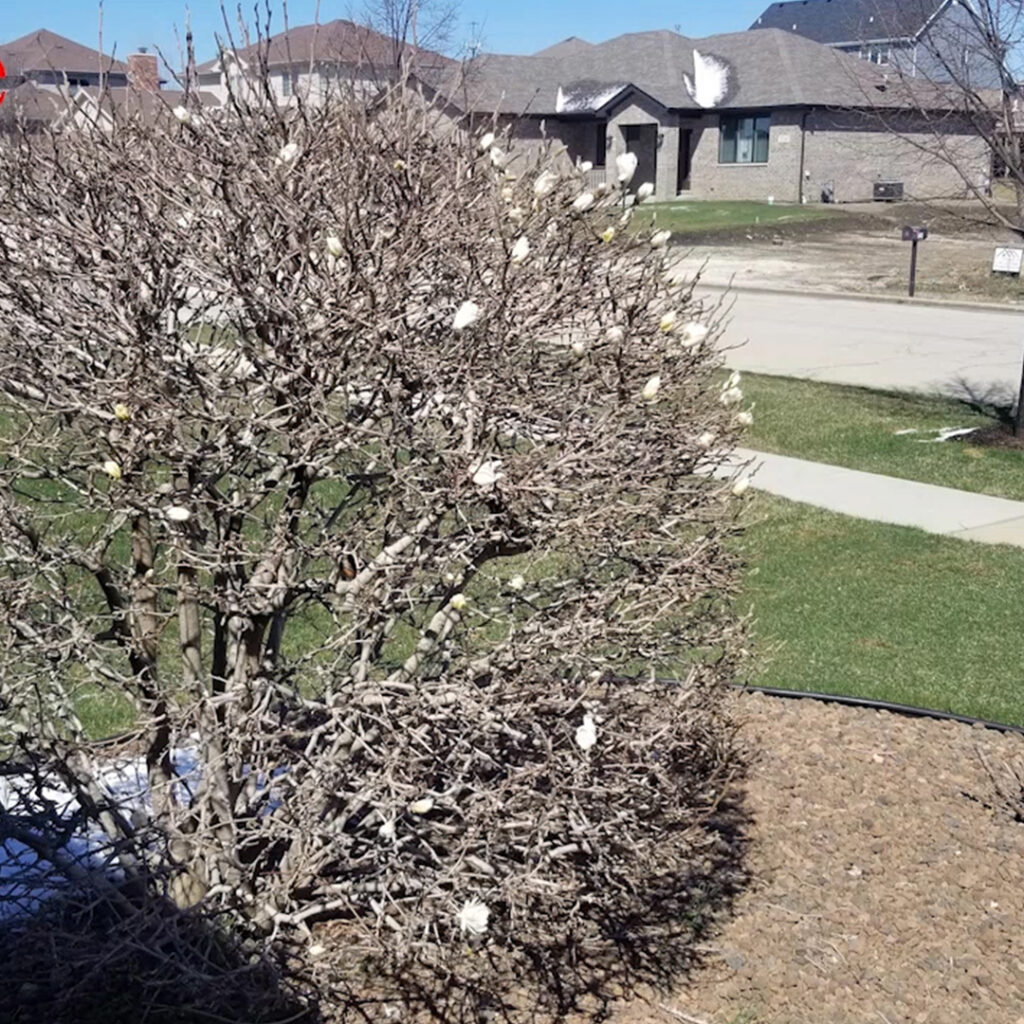
One of the most common reasons flowering trees and shrubs fail to bloom isn’t disease or poor soil; it’s improper pruning.

Many shrubs are sheared into tight, unnatural shapes several times each year simply because it’s fast and predictable. Unfortunately, that often removes the flower buds that were developing for next season’s blooms before they ever have a chance to open.

At Scott Flanagan Landscape, we take a completely different approach.

Our horticultural specialists understand when each species sets its flower buds and use selective pruning techniques that preserve future blooms while maintaining an orderly, natural appearance. Rather than forcing every shrub into the same geometric shape, we carefully remove only the branches that improve the plant’s structure, balance, and long-term health.

Selective pruning allows more sunlight and air to reach the interior of the plant, encourages stronger branching, rejuvenates older shrubs, and helps each variety display the flowers, texture, and natural form it was selected to provide.

The result is a landscape that requires less frequent pruning, looks more natural throughout the growing season, and produces healthier plants with more abundant blooms year after year.

trimmed-magnolia
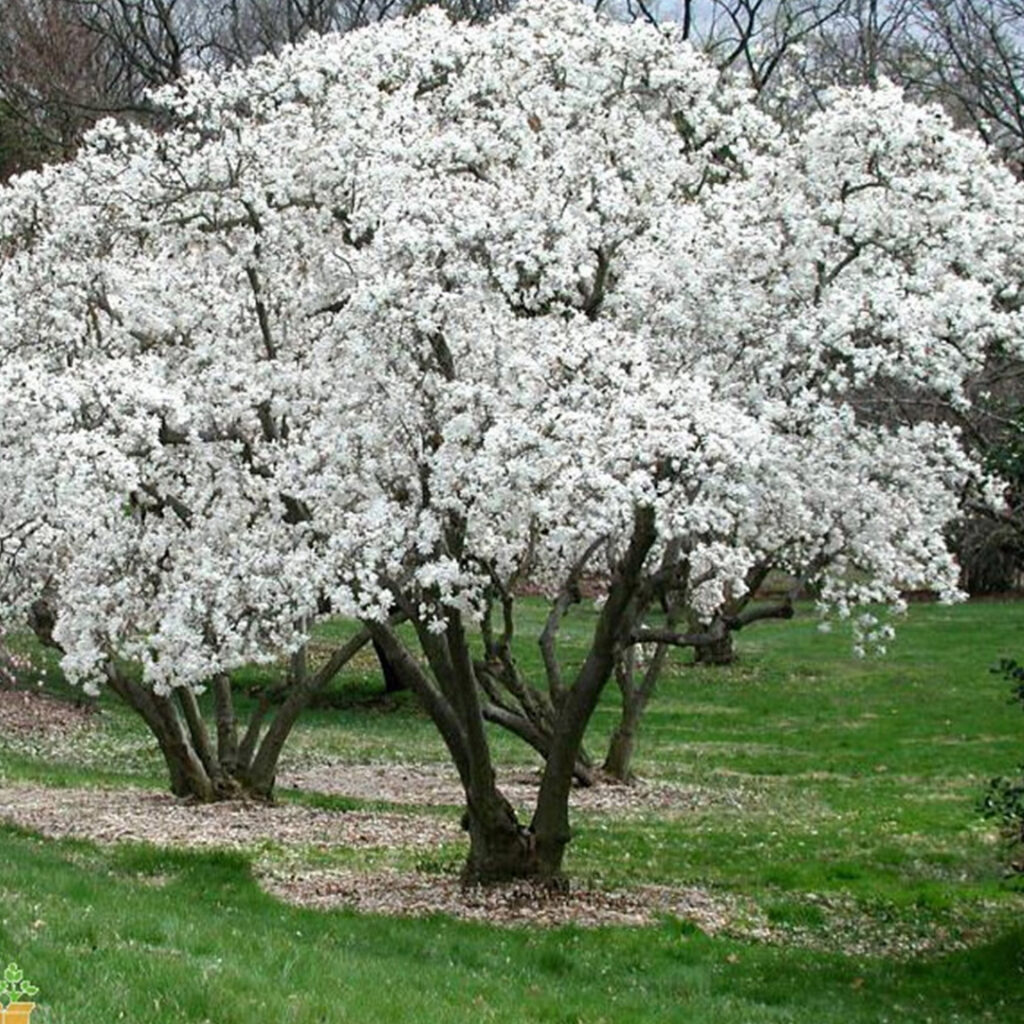
improperly trimmed star magnolia
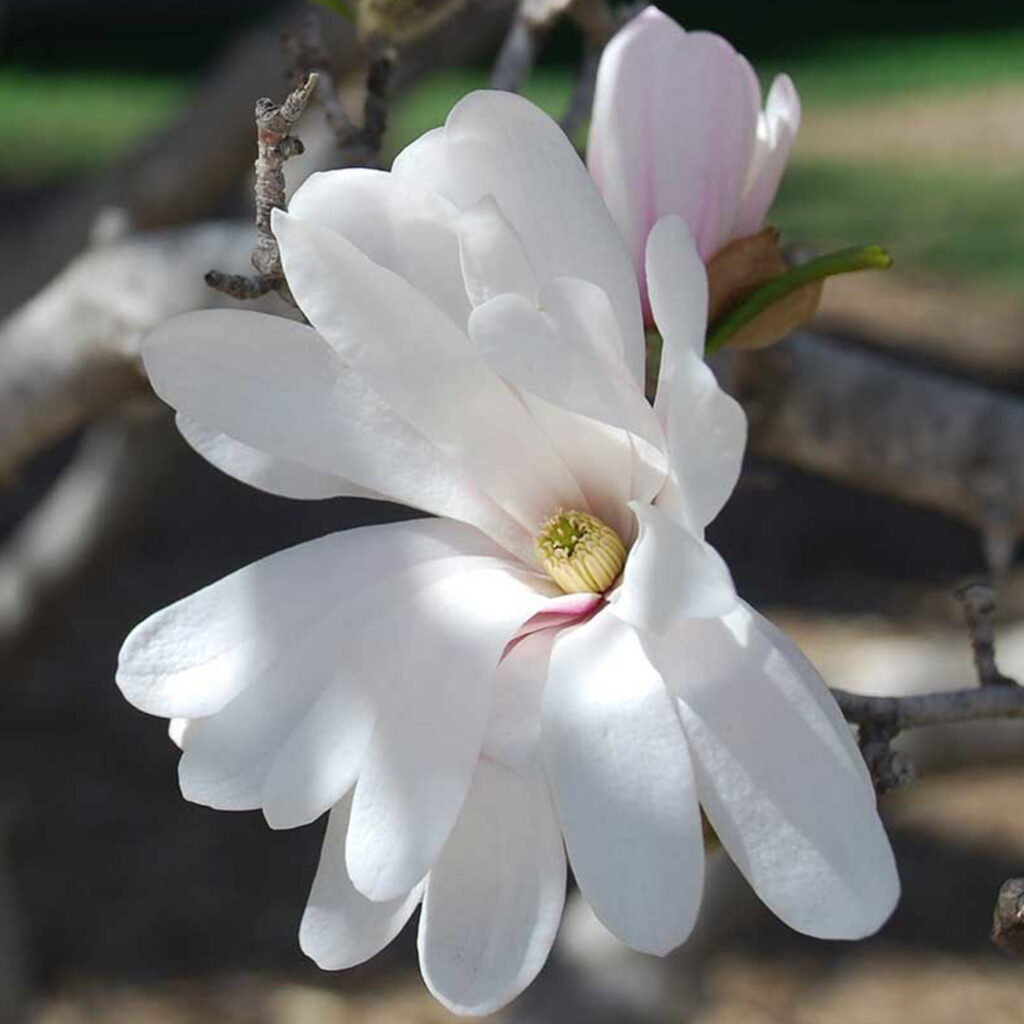
star magnolia in bloom
star magnolia in full bloom
star magnolia flower

Why Some Landscapes Constantly Struggle With Weeds

carl forester grass
Designed to outcompete weeds.

Weeds aren’t simply the result of poor maintenance. More often, they’re a symptom of an unhealthy or unbalanced landscape.

When ornamental beds become sparse, desirable perennials decline, or open soil is exposed, nature quickly fills those empty spaces with opportunistic weeds. Simply pulling weeds or spraying herbicides may solve today’s problem, but it rarely addresses why they’re returning.

Successful weed management begins with proper plant identification.

Our horticultural specialists know the difference between a weed, a newly emerging perennial, and a desirable plant that’s simply growing where it wasn’t expected. That knowledge protects your landscape from costly mistakes while preserving the diversity that makes ornamental gardens beautiful.

Just as importantly, we evaluate which perennials are thriving, which are struggling, and why. Some varieties naturally spread and should be divided to strengthen other areas of the garden. Others may need to be transplanted to a location with more suitable sunlight or soil conditions. During our seasonal site evaluations, we identify opportunities to introduce additional perennials that increase density, improve seasonal color, and strengthen the overall planting design.

As ornamental plantings become healthier, denser, and more diverse, they naturally occupy the space that weeds would otherwise claim. Over time, that reduces the amount of weeding required while creating a landscape with greater texture, longer bloom periods, and more seasonal interest.

Rather than fighting weeds one visit at a time, our goal is to cultivate a thriving landscape where weeds have fewer opportunities to grow in the first place.

Designed for fewer weeds.
Dense planting; fewer weeds.
Filled with plants, not weeds.
©2026 scott flanagan landscape | WordPress Theme by SuperbThemes